Slow Investment Business Ideas to Start Today

Step by Step Small Business Ideas Guide for Beginners
Summary
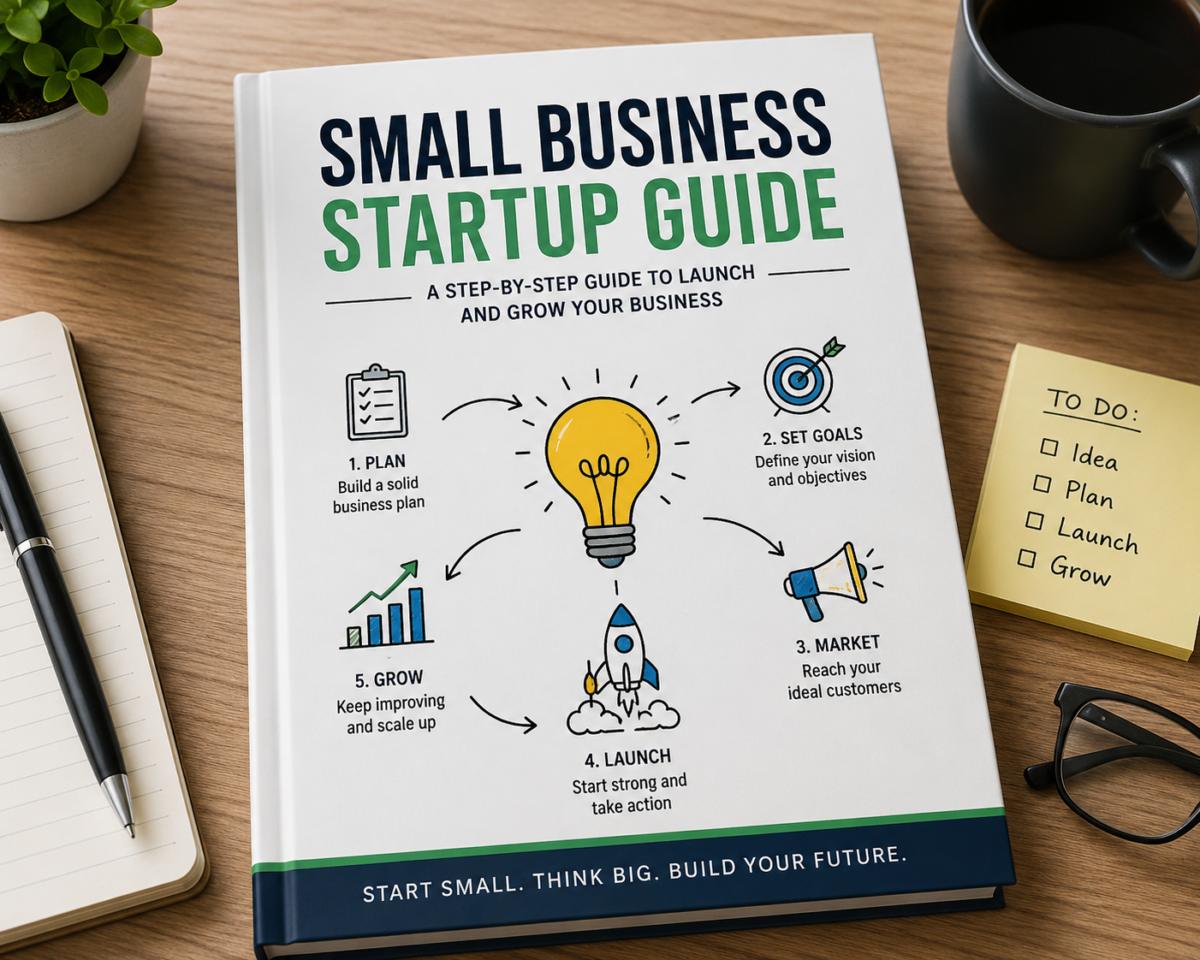
Starting a small business requires planning, smart marketing, branding, and consistency. This guide explains how beginners can launch and grow a successful startup using practical strategies, SEO techniques, and customer-focused methods that help businesses build trust, improve visibility, and achieve long-term growth online.
Starting a business is a dream for many people who want financial independence and long-term success. In today’s digital world, building a startup has become easier than before, but competition has also increased. Many beginners launch businesses with excitement, but without proper planning, marketing, and customer understanding, they struggle to grow. This small business startup guide will help you understand the complete process of building a successful startup step by step.
A successful business is not only about selling products or services. It is about solving problems, building trust, understanding customer behavior, and creating a strong online presence. Businesses that focus on value and consistency usually perform better in search engines and attract loyal customers over time.
Search engines like Google now prioritize content that is clear, useful, and easy to understand. If you want your website to rank on the first page and appear in Google AI Overviews, your content must answer user questions naturally while providing practical solutions.
What Is a Small Business Startup?
A small business startup is a newly established company created to offer products or services to a specific audience. Startups usually begin with limited resources and gradually grow through marketing, customer relationships, and strategic planning.
Many successful companies started as small businesses with a simple idea and a clear vision. Today, startups can operate online, offline, or through a combination of both. Digital platforms have made it possible for beginners to launch businesses with lower investment compared to traditional business models.
The most important factor behind a successful startup is understanding customer needs and delivering value consistently. Businesses that focus on solving problems often build stronger reputations and achieve long-term success.
Why Starting a Small Business Is a Smart Decision
Starting a business gives people more control over their careers and financial goals. Instead of depending completely on traditional jobs, business owners create their own opportunities and income streams.
Modern technology has also changed the business landscape. Social media platforms, websites, search engines, and online marketplaces allow startups to reach customers faster than ever before. Even small businesses can compete with larger companies when they use smart digital marketing strategies.
Another major advantage of starting a small business is flexibility. Business owners can test new ideas, adapt to market trends, and improve services based on customer feedback. This flexibility helps startups grow steadily in competitive industries.
Choose the Right Business Idea
Choosing the right business idea is one of the most important decisions for beginners. A strong idea should solve a problem, fulfill customer demand, and offer growth opportunities in the future.
Many people make the mistake of copying businesses without understanding market demand. Instead of following trends blindly, focus on identifying gaps in the market. Research customer problems and think about how your business can provide better solutions.
Market research helps business owners understand competition, pricing, customer interests, and industry trends. Studying competitors can also reveal opportunities to improve products, services, or customer experiences.
A successful business idea usually combines passion, demand, profitability, and long-term sustainability. Businesses built around real customer needs often perform better than businesses created only for quick profits.
Create a Strong Business Plan
A business plan acts as a roadmap that guides your startup toward growth and stability. Without a clear plan, businesses often lose direction and struggle with financial or operational problems.
A strong business plan should explain your goals, services, target audience, pricing strategy, marketing methods, and financial expectations. It should also include plans for handling competition and future growth.
Financial planning is especially important for beginners. Many startups fail because they spend too much money in the early stages without focusing on revenue generation. Smart budgeting helps businesses avoid unnecessary expenses while maintaining steady progress.
A clear business plan also improves decision-making because it helps owners stay focused on their objectives instead of making random choices.
Understand Your Target Audience
Understanding your target audience is essential for business success. Customers are more likely to trust businesses that understand their needs and communicate effectively.
Businesses should study customer behavior, interests, age groups, purchasing habits, and common problems. This information helps create better marketing campaigns and improves customer engagement.
When businesses understand their audience properly, they can create content that answers customer questions directly. Search engines prefer websites that provide useful and relevant information because it improves user experience.
Understanding customer intent also improves sales. Businesses that focus on customer needs instead of aggressive selling usually build stronger relationships and better brand loyalty.
Register Your Business Professionally
Legal registration is an important step for every startup. A properly registered business appears more trustworthy and professional to customers and partners.
Choosing a business name requires careful thinking. The name should be simple, memorable, and relevant to your services or products. A professional name improves branding and helps customers remember your business easily.
Depending on your location and business type, registration requirements may include licenses, tax registration, business permits, and legal documentation. Following legal procedures protects businesses from future complications and creates a more professional image.
Set Your Startup Budget Carefully
Managing finances properly is one of the biggest challenges for startups. Many businesses fail because they spend too much money on unnecessary things before generating stable income.
Beginners should focus only on essential investments during the early stages. Building a professional website, improving product quality, and creating effective marketing strategies usually provide better results than expensive office setups or unnecessary branding expenses.
A startup budget should include operational costs, marketing expenses, website development, and emergency funds. Planning finances carefully helps businesses survive difficult periods and maintain stability during growth phases.
Financial discipline is one of the key factors behind long-term business success.
Build a Strong Brand Identity
Brand identity shapes how customers see and remember your business. Strong branding helps businesses stand out in crowded markets and build trust with customers.
A professional logo, consistent design, clear messaging, and positive customer experiences all contribute to strong branding. Businesses with clear identities often attract more loyal customers because they appear more reliable and organized.
Branding is not only about visuals. It also includes communication style, customer service quality, and overall business reputation. Every interaction with customers influences how people perceive your brand.
Consistent branding across websites, social media platforms, and marketing materials improves recognition and credibility over time.
Create an Online Presence
In today’s digital world, businesses without an online presence often struggle to compete effectively. Most customers search online before buying products or services, making digital visibility extremely important.
A professional website acts as the foundation of your online presence. It allows customers to learn about your services, contact your business, and build trust in your brand.
Search Engine Optimization plays a major role in improving online visibility. SEO helps websites appear in Google search results when customers search for related services or information.
Social media platforms also help businesses connect with audiences, increase engagement, and improve brand awareness. Consistent activity on social media helps businesses stay visible and relevant in competitive markets.
Businesses that combine websites, SEO, and social media marketing usually achieve stronger online growth.
How to Rank on Google First Page
Ranking on Google requires high-quality content, strong SEO practices, and consistent optimization. Search engines prefer websites that provide useful information and good user experiences.
Content should answer customer questions clearly while using natural language. Keyword stuffing no longer works effectively because Google prioritizes readability and relevance.
Well-structured articles with proper headings improve readability and search engine understanding. Fast-loading websites, mobile-friendly designs, and secure connections also contribute to better rankings.
Internal linking helps search engines understand website structure and improves navigation for users. Building backlinks from trusted websites also increases authority and improves ranking potential.
Businesses that regularly publish useful content often perform better because search engines recognize them as reliable information sources.
How to Appear in Google AI Overviews
Google AI Overviews focus on delivering direct and useful answers to users. Businesses that want visibility in AI-generated results should create content that is clear, conversational, and informative.
Simple language improves readability and helps search engines understand content better. Articles should answer questions directly without unnecessary complexity.
Structured headings improve content organization and help search engines identify important topics easily. Adding practical examples and real-world insights also increases content quality.
Websites that consistently publish helpful and trustworthy content build topical authority, which improves the chances of appearing in AI-generated search summaries.
Marketing Strategies for Small Businesses
Marketing helps businesses attract customers, improve visibility, and increase sales. Startups should focus on long-term marketing strategies instead of expecting instant results.
Content marketing is one of the most effective strategies because it builds trust while improving SEO performance. Helpful blogs, guides, and educational articles attract traffic and keep users engaged.
Social media marketing increases audience interaction and brand awareness. Businesses that post regularly and communicate with followers often build stronger online communities.
Email marketing remains valuable because it helps businesses maintain direct communication with customers. Personalized emails improve engagement and encourage repeat business.
Video marketing has also become extremely powerful because users prefer visual content. Short videos explaining products, services, or industry tips can increase engagement significantly.
Manage Business Operations Efficiently
Efficient operations help businesses stay organized and productive. Startups should focus on time management, customer communication, and workflow improvement.
Responding quickly to customer inquiries improves satisfaction and builds trust. Organized systems also reduce confusion and help businesses manage tasks more effectively.
Using business tools for scheduling, invoicing, and project management can improve efficiency and reduce workload. Small improvements in operations often create significant long-term benefits.
Businesses that manage operations effectively usually provide better customer experiences and maintain stronger reputations.
Common Mistakes Beginners Should Avoid
Many beginners make mistakes that slow business growth or create financial problems. One common mistake is ignoring SEO and relying only on paid advertising. Without organic visibility, businesses may struggle to maintain long-term traffic.
Poor financial planning is another major issue. Overspending during the early stages can create serious financial pressure.
Weak branding also affects business growth because customers often trust businesses with professional presentation and clear messaging.
Inconsistent marketing reduces visibility and makes it harder for customers to remember your business. Businesses should maintain regular activity across websites and social media platforms.
Ignoring customer feedback can also harm growth because customer opinions often reveal valuable improvement opportunities.
Tips for Long-Term Business Growth
Long-term growth requires patience, consistency, and continuous improvement. Businesses that focus on customer relationships usually achieve stronger brand loyalty and repeat sales.
Tracking business performance helps owners identify successful strategies and areas needing improvement. Analytics tools can reveal customer behavior, traffic sources, and conversion patterns.
Learning about industry trends is also important because markets constantly change. Businesses that adapt quickly often remain more competitive.
SEO should remain a long-term priority because organic traffic provides consistent visibility and lead generation opportunities over time.
Businesses that focus on quality, trust, and customer satisfaction usually grow steadily and maintain stronger market positions.
Conclusion
Building a successful startup takes planning, effort, and consistency. Beginners should focus on understanding customer needs, creating useful content, improving branding, and building strong online visibility. Businesses that provide value and maintain professionalism often achieve better long-term results.
Search engines now reward content that is clear, practical, and user-focused. Instead of chasing shortcuts, startups should focus on building trust, improving customer experiences, and creating high-quality content consistently.
A strong combination of SEO, branding, customer understanding, and digital marketing can help small businesses grow steadily and compete successfully in modern markets.
FAQs
How much money is needed to start a small business?
The required budget depends on the business type. Some online businesses can start with minimal investment, while others require larger startup costs.
Why is SEO important for startups?
SEO improves online visibility and helps businesses attract organic traffic from search engines without depending entirely on paid advertising.
How long does it take for a startup to become successful?
Business growth depends on planning, marketing, competition, and consistency. Some startups grow quickly, while others take more time.
Can social media help small businesses grow?
Yes, social media helps businesses increase visibility, engage with customers, and build brand awareness effectively.
What type of content ranks better on Google?
Helpful, well-structured, easy-to-read, and informative content usually performs better in search results.