Facebook Ads for E-commerce: Complete Growth Guide
Facebook Ads Budget Planning Guide
Introduction
The Dynamic Product Ads Guide is one of the most valuable resources for businesses looking to increase online sales through personalized advertising. As competition in digital marketing continues to grow, customers expect to see products that match their interests rather than generic advertisements. Dynamic Product Ads make this possible by automatically displaying relevant products to people based on their browsing behavior, shopping history, and engagement with your website or online store.
Instead of manually creating separate advertisements for hundreds or even thousands of products, businesses can automate the entire process. Every customer sees products that are most relevant to them, making the shopping experience more personalized while increasing the likelihood of a purchase.
Whether you manage a small online store or a large eCommerce business, Dynamic Product Ads can help you reach the right audience at the right time. They reduce manual work, improve advertising efficiency, and deliver higher returns on your marketing investment.
In this comprehensive guide, you’ll learn how Dynamic Product Ads work, why they’re essential for modern businesses, how to set them up correctly, and the best strategies for maximizing conversions and return on ad spend.
What Are Dynamic Product Ads?
Dynamic Product Ads are automated advertisements that promote products from your online catalog to customers based on their interests and actions. Instead of creating separate advertisements for every product, advertisers upload a product catalog, connect it with tracking tools, and allow advertising platforms to generate personalized ads automatically.
When someone visits your website, browses a product, adds an item to their cart, or even views multiple categories, advertising platforms collect this behavior through tracking pixels or conversion tags. Later, those same visitors see advertisements featuring the exact products they viewed or similar recommendations while browsing social media or other websites.
This personalized approach significantly improves customer engagement because users are shown products they already demonstrated interest in rather than random advertisements.
Dynamic Product Ads are commonly used by online retailers selling clothing, electronics, furniture, beauty products, automotive parts, groceries, and thousands of other consumer products.
Unlike traditional advertising campaigns, Dynamic Product Ads continuously update themselves. If product prices change, stock becomes unavailable, or new products are added, advertisements automatically reflect those updates without requiring manual editing.
This automation makes Dynamic Product Ads one of the most efficient advertising methods available today.
How Dynamic Product Ads Work
Understanding the process behind Dynamic Product Ads helps businesses build better campaigns and improve their overall advertising performance.
The process begins with a product catalog. Every product in an online store contains information such as its name, description, price, availability, category, image, and landing page URL. This information is uploaded into advertising platforms through a product feed.
Next, tracking technology records visitor activity. When customers browse products, search categories, or add items to their shopping cart, tracking pixels capture those interactions.
Advertising platforms then analyze this data and automatically match products with users who have shown relevant interests.
When those users visit Facebook, Instagram, Google, YouTube, or partner websites, personalized advertisements are generated instantly using products from the catalog.
The entire process happens automatically without requiring advertisers to manually design each advertisement.
As customer behavior changes, Dynamic Product Ads continuously adapt, ensuring every advertisement remains relevant.
This real-time personalization explains why Dynamic Product Ads consistently outperform standard advertising campaigns.
Benefits of Dynamic Product Ads
Businesses invest heavily in Dynamic Product Ads because they provide measurable improvements across nearly every marketing objective.
One of the biggest advantages is personalization. Customers prefer advertisements that match their interests instead of generic promotional messages. Personalized recommendations naturally receive higher engagement and stronger click-through rates.
Automation is another major benefit. Instead of manually updating advertisements whenever inventory changes, the advertising platform automatically pulls the latest product information from your catalog.
Dynamic Product Ads also improve conversion rates because shoppers are reminded about products they already considered purchasing. This keeps your brand visible throughout the buying journey.
Marketing teams save significant time because they no longer need to create hundreds of individual advertisements for different products.
Advertising budgets become more efficient since campaigns focus on users most likely to convert.
Businesses also experience improved Return on Ad Spend (ROAS) because personalized advertisements generally generate higher revenue while maintaining lower acquisition costs.
For companies managing thousands of products, automation alone can save hundreds of working hours every month.
Platforms That Support Dynamic Product Ads
Today’s leading advertising platforms provide advanced Dynamic Product Advertising solutions designed to reach customers across multiple devices and channels.
Meta remains one of the most popular platforms for Dynamic Product Ads. Businesses can advertise products across Facebook, Instagram, Messenger, and the Meta Audience Network using a single product catalog. Meta’s advanced audience targeting allows businesses to reconnect with previous visitors and introduce products to new potential buyers based on similar interests.
Google also offers Dynamic Product Advertising through Performance Max campaigns and Dynamic Remarketing. Products appear across Google Search, YouTube, Gmail, Google Display Network, and Discover, giving businesses access to millions of potential customers every day.
Pinterest provides Dynamic Shopping Ads that showcase visually appealing products to users actively searching for inspiration and shopping ideas. This platform works especially well for fashion, home décor, beauty, and lifestyle brands.
TikTok has rapidly become another powerful platform for Dynamic Product Ads. Its short-form video environment allows businesses to display personalized products to younger audiences while leveraging interest-based recommendations.
Businesses often combine multiple platforms rather than relying on a single advertising channel. Running campaigns across Meta, Google, Pinterest, and TikTok increases visibility while creating multiple touchpoints during the customer journey.
A diversified advertising strategy also reduces dependence on one platform and helps businesses adapt to changing algorithms and customer behavior.
Setting Up Dynamic Product Ads
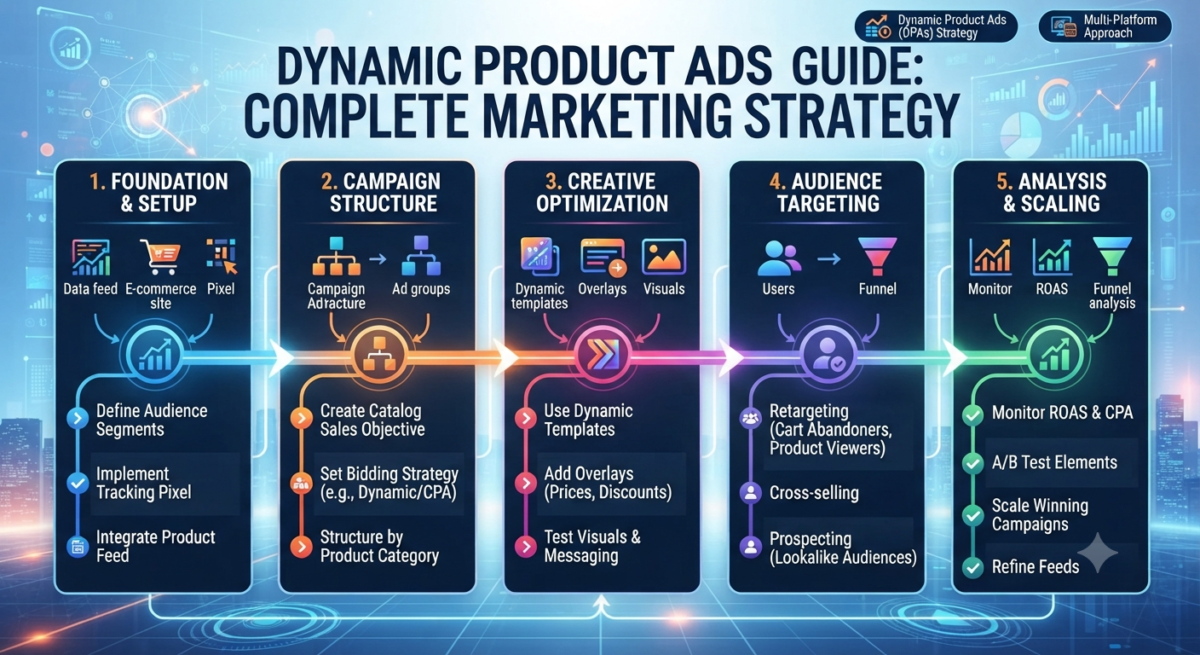
Creating successful Dynamic Product Ads requires careful planning and proper technical implementation. Although the setup process may seem complicated initially, following the correct sequence makes campaign management much easier.
The first step is creating a high-quality product catalog. Every product should include an accurate title, clear description, current price, availability status, product category, and high-resolution image. Well-structured catalogs improve ad quality and make it easier for advertising platforms to recommend the right products.
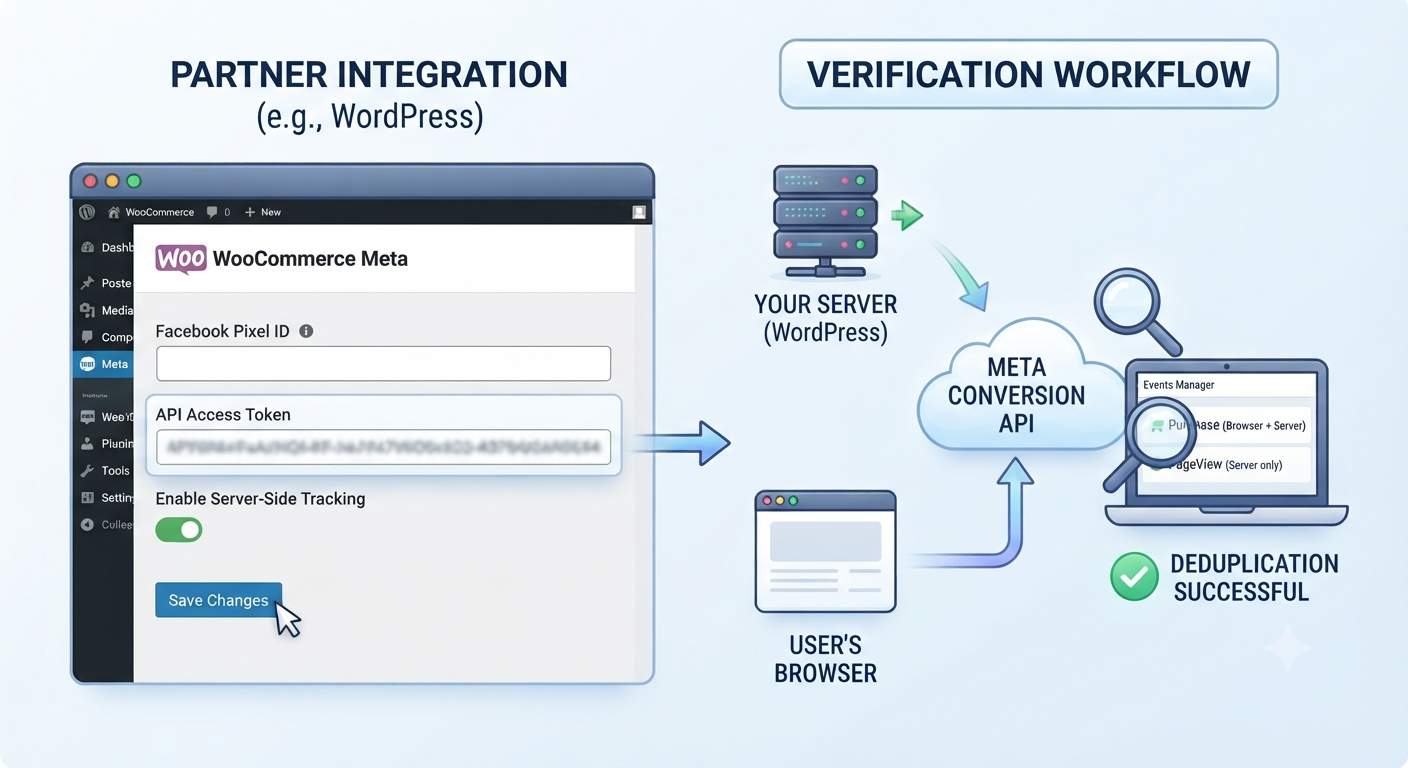
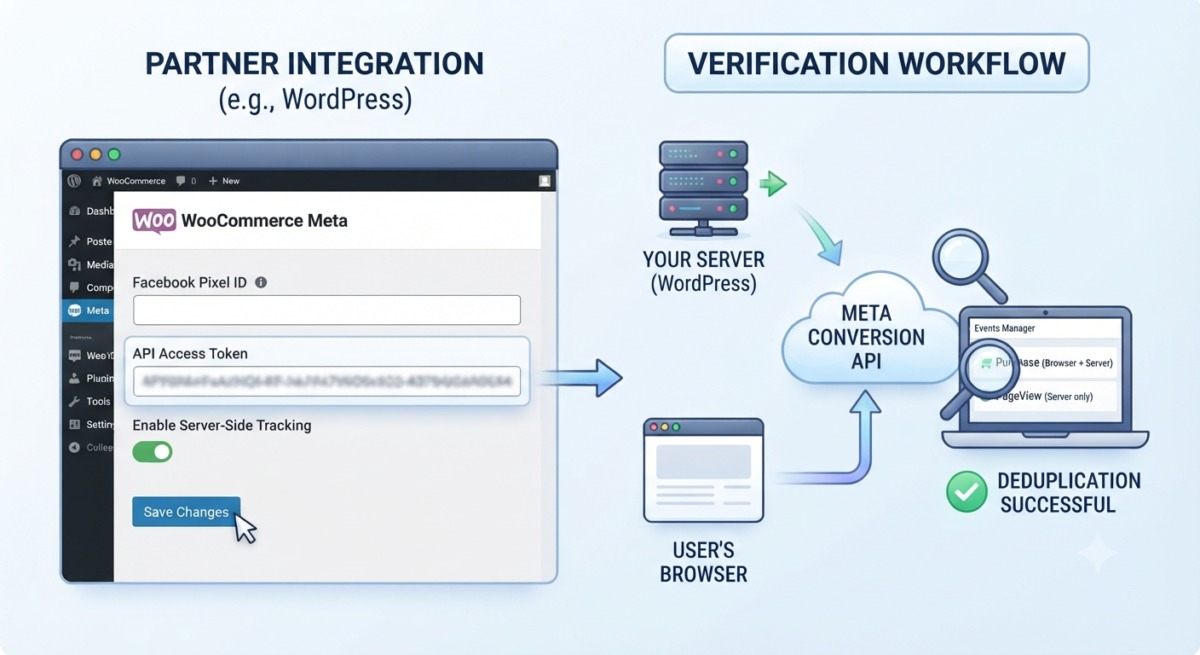
The next step involves installing tracking technology on your website. Tracking pixels and conversion tags record customer actions such as viewing products, adding items to the cart, starting checkout, and completing purchases. These events provide the data needed to personalize future advertisements.
After tracking is configured, connect your product catalog with your advertising platform. Most platforms automatically synchronize product information, ensuring advertisements always display the latest prices and inventory.
Audience segmentation is equally important. Returning visitors, abandoned cart users, repeat customers, and first-time shoppers all respond differently to advertising. Creating separate audience groups allows businesses to deliver messages that match each stage of the buying journey.
Creative templates are then designed using dynamic fields that automatically insert product images, names, prices, discounts, and promotional messages. This approach eliminates the need to build individual advertisements for every product.
Before launching campaigns, businesses should thoroughly test tracking events, product feeds, landing pages, and advertisement previews. A properly configured campaign minimizes errors and ensures customers receive a seamless shopping experience from advertisement to checkout.
With the technical foundation in place, marketers can focus on optimization strategies that improve campaign performance over time.
Best Practices for Dynamic Product Ads
Running Dynamic Product Ads successfully requires more than simply uploading a product catalog. The highest-performing campaigns are built on consistent optimization, accurate data, and a strong understanding of customer behavior.
One of the most important practices is maintaining a clean and updated product feed. Product titles should clearly describe the item, prices must remain accurate, and availability should be synchronized with inventory. Outdated information can reduce customer trust and lead to missed sales opportunities.
High-quality product images also play a critical role. Clear, professional photographs with consistent backgrounds help products stand out across advertising platforms. Since visuals are often the first thing users notice, investing in quality imagery can significantly improve click-through rates.
Another essential strategy is writing product descriptions that focus on customer value rather than technical specifications alone. Descriptions should answer common questions, highlight benefits, and encourage shoppers to learn more.
Audience segmentation continues to be a key factor in campaign success. Showing different products to returning customers, cart abandoners, and first-time visitors allows businesses to deliver more relevant experiences and increase conversions.
Regular testing is equally important. Marketers should experiment with different headlines, promotional messages, discount offers, call-to-action buttons, and audience segments to identify what generates the strongest results.
Successful advertisers also review campaign performance frequently, making data-driven adjustments instead of relying on assumptions. Continuous optimization helps maintain strong performance even as customer preferences and market conditions evolve.
Common Mistakes to Avoid
Even the most advanced advertising platforms cannot deliver strong results if the campaign is built on poor data or weak strategy. Many businesses invest in Dynamic Product Ads expecting immediate sales, only to discover that avoidable mistakes are limiting their performance. Understanding these common issues can help you improve campaign efficiency and generate better returns.
One of the biggest mistakes is uploading an incomplete or outdated product feed. Missing product titles, incorrect pricing, low-quality images, or unavailable inventory can create a poor customer experience. When shoppers click on an advertisement and discover that the product information does not match the landing page, trust is quickly lost. Keeping your product catalog accurate and updated ensures every advertisement reflects the latest information.
Another common problem is failing to install tracking pixels correctly. Dynamic campaigns depend on customer behavior data. If important events such as product views, add-to-cart actions, or completed purchases are not being tracked, the advertising platform cannot build accurate audiences or deliver personalized recommendations. Regularly testing tracking events helps identify issues before they affect campaign performance.
Many businesses also overlook mobile optimization. Today, a significant percentage of online shoppers browse and purchase products using smartphones. If your landing pages load slowly, contain difficult navigation, or display incorrectly on smaller screens, customers are likely to leave without making a purchase. Fast-loading, mobile-friendly pages create a smoother buying experience and improve conversion rates.
Using the same message for every audience is another mistake that limits campaign effectiveness. First-time visitors, returning customers, and abandoned cart users all have different levels of buying intent. Tailoring messaging and promotional offers to each audience creates more relevant experiences and encourages stronger engagement.
Ignoring campaign analysis is equally damaging. Dynamic Product Ads are not a “set it and forget it” solution. Monitoring performance metrics, testing creative variations, and refining audience targeting should become part of your ongoing marketing routine. Continuous optimization helps campaigns remain competitive as customer behavior evolves.
Finally, many advertisers focus only on acquiring new customers while ignoring existing buyers. Previous customers are often more likely to make repeat purchases, especially when shown complementary or upgraded products. Building campaigns that target both new and returning audiences creates sustainable long-term growth.
Dynamic Product Ads vs Standard Product Ads
Businesses often compare Dynamic Product Ads with traditional product advertisements before deciding which approach best suits their marketing objectives. Although both formats promote products, they differ significantly in automation, personalization, and scalability.
Traditional product advertisements require marketers to manually create each campaign, upload creative assets, write ad copy, select products, and update advertisements whenever prices or inventory change. While this approach works well for promoting a limited number of products, managing hundreds or thousands of items quickly becomes time-consuming.
Dynamic Product Ads simplify this process by automatically generating advertisements from a connected product catalog. Instead of designing individual ads, marketers create templates that dynamically populate with product information based on customer behavior. This automation allows businesses to scale campaigns efficiently without increasing workload.
Another key difference lies in personalization. Standard product advertisements typically display the same message to every viewer regardless of their interests. Dynamic campaigns, on the other hand, present products that users have previously viewed, added to their cart, or are most likely to purchase based on browsing activity. Personalized recommendations create a more relevant shopping experience and typically lead to higher engagement.
Dynamic campaigns also offer greater flexibility when managing inventory. Changes to product pricing, availability, descriptions, or images automatically update within advertisements. Standard campaigns require manual editing whenever changes occur, increasing the risk of outdated promotions.
Budget efficiency is another area where Dynamic Product Ads often outperform traditional campaigns. By focusing on users who have already demonstrated buying intent, businesses can allocate advertising spend more effectively and reduce wasted impressions.
While standard advertisements remain useful for product launches, seasonal promotions, or brand awareness campaigns, Dynamic Product Ads are generally better suited for businesses managing larger product catalogs and seeking consistent sales growth through automation and personalization.
Measuring Campaign Performance
Launching a campaign is only the beginning. Measuring performance allows businesses to understand what is working, identify opportunities for improvement, and maximize return on investment.
One of the first metrics marketers should evaluate is the Click-Through Rate (CTR). This measures how many users clicked on an advertisement after seeing it. A high CTR often indicates that advertisements are relevant, visually appealing, and aligned with customer interests.
Conversion Rate is another critical metric. While attracting clicks is important, successful campaigns ultimately generate sales. Monitoring how many visitors complete purchases after clicking an advertisement helps determine whether your landing pages, pricing, and overall customer journey are effective.
Return on Ad Spend (ROAS) is one of the most valuable measurements for evaluating profitability. It compares advertising costs with the revenue generated by campaigns. A higher ROAS indicates that marketing investments are producing stronger financial returns.
Cost Per Acquisition (CPA) helps businesses understand how much they spend to acquire each new customer. Reducing CPA while maintaining conversion quality improves overall marketing efficiency and allows budgets to stretch further.
Average Order Value (AOV) provides insight into customer purchasing behavior. Encouraging customers to purchase complementary products or higher-value items can increase AOV without significantly increasing advertising costs.
Customer Lifetime Value (CLV) should also be considered when evaluating campaign success. A customer who makes multiple purchases over several years often provides significantly greater value than a single transaction. Dynamic Product Ads can support long-term customer relationships by promoting relevant products after initial purchases.
Beyond individual metrics, marketers should review trends over time. Seasonal demand, promotional periods, product launches, and changing consumer preferences all influence campaign performance. Regular reporting and analysis enable businesses to adapt strategies before small issues become larger problems.
Successful advertisers combine quantitative data with customer feedback to gain a complete understanding of campaign effectiveness. Numbers explain what happened, while customer insights often reveal why those results occurred.
Advanced Optimization Tips
Once Dynamic Product Ads are delivering consistent results, businesses can apply advanced optimization techniques to further improve performance and profitability.
Retargeting abandoned carts remains one of the most effective strategies. Many shoppers leave products in their cart before completing a purchase. Showing personalized reminders combined with limited-time offers or free shipping incentives can encourage customers to return and complete their order.
Cross-selling is another valuable technique. Rather than promoting only the product a customer viewed, advertisers can recommend complementary items that enhance the overall purchase. Someone buying a smartphone may also be interested in protective cases, wireless chargers, or screen protectors.
Upselling follows a similar principle by introducing customers to premium alternatives with additional features or greater value. Highlighting product upgrades helps increase revenue while giving customers more options.
Businesses should also consider creating audience segments based on purchasing behavior. High-value customers, frequent buyers, seasonal shoppers, and inactive customers all respond differently to advertising. Personalized campaigns tailored to these groups generally achieve stronger engagement than broad campaigns targeting everyone equally.
Testing different promotional strategies is equally important. Some audiences respond better to percentage discounts, while others prefer fixed-price savings, free shipping, exclusive bundles, or limited-time offers. Continuous experimentation helps identify the most effective approach for each customer segment.
Creative optimization should become an ongoing process rather than a one-time task. Refreshing images, headlines, promotional messaging, and calls to action prevents advertisement fatigue and keeps campaigns engaging over time.
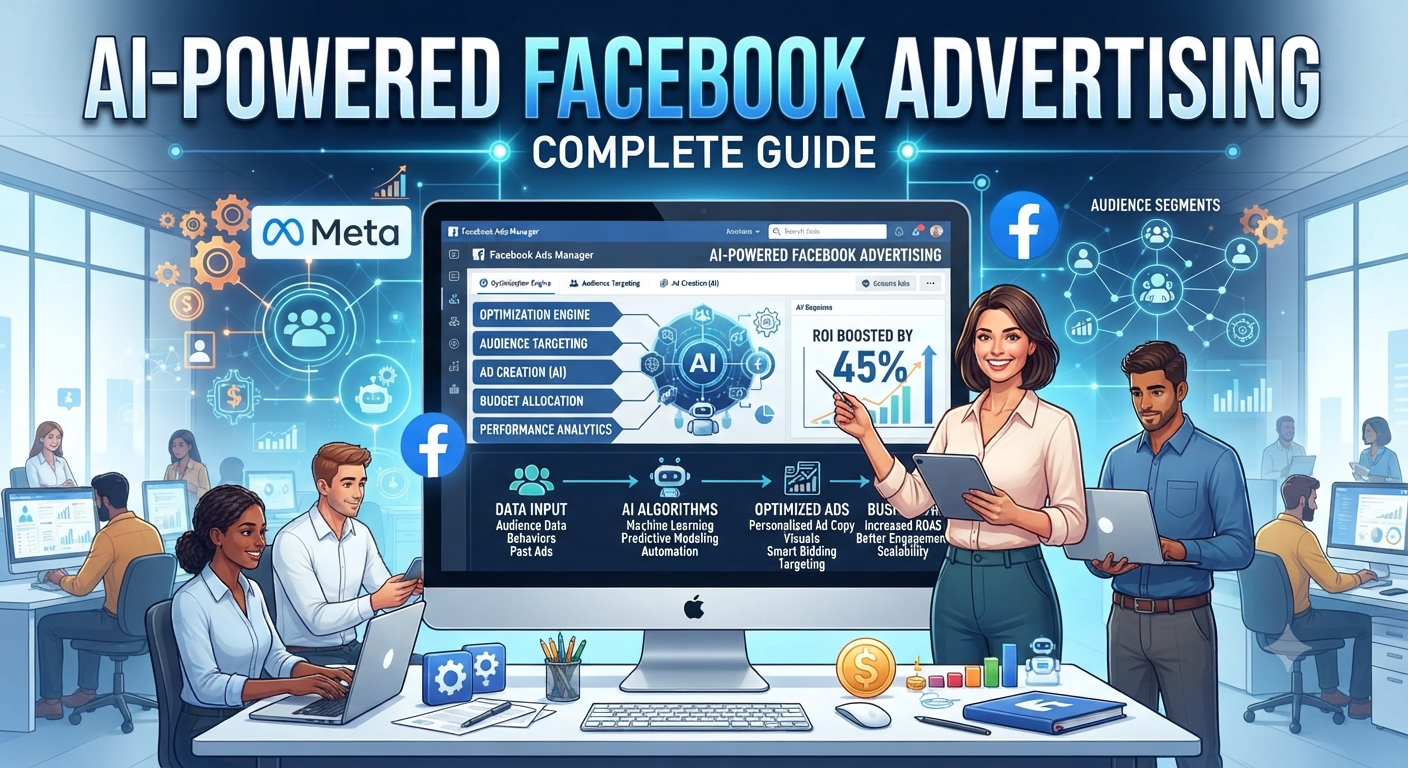
Artificial intelligence and machine learning are increasingly influencing advertising performance. Modern platforms automatically analyze customer behavior, bidding strategies, and conversion data to optimize delivery. Allowing these automated systems sufficient learning time often improves long-term results compared with making frequent manual adjustments.
Finally, businesses should align Dynamic Product Ads with their broader marketing strategy. Combining email marketing, search engine optimization, content marketing, influencer partnerships, and paid advertising creates multiple customer touchpoints throughout the buying journey. Integrated campaigns reinforce brand recognition and increase the likelihood of conversion.
Industries That Benefit Most
Although Dynamic Product Ads are commonly associated with eCommerce businesses, their applications extend across a wide range of industries. Any organization managing a product catalog or inventory can benefit from personalized advertising.
Fashion retailers often experience excellent results because customers regularly browse multiple products before making purchasing decisions. Personalized recommendations encourage shoppers to return and complete their purchases while introducing related clothing, footwear, or accessories.
Electronics retailers also benefit from Dynamic Product Ads due to the extensive research customers perform before purchasing. Showing recently viewed laptops, smartphones, televisions, or gaming equipment helps keep products top of mind during the decision-making process.
Furniture and home décor businesses frequently use dynamic advertising to showcase products customers have explored while recommending complementary items that match their interests. This strategy increases both conversions and average order value.
Beauty and cosmetics brands rely on personalized advertising to introduce skincare routines, makeup collections, fragrances, and seasonal product recommendations. Returning customers often appreciate suggestions based on previous purchases, encouraging repeat business.
Automotive parts suppliers manage thousands of inventory items, making manual advertising nearly impossible. Dynamic campaigns automatically display relevant replacement parts and accessories based on browsing history, simplifying product discovery for customers.
Grocery retailers and food delivery businesses can also use Dynamic Product Ads to promote frequently purchased items, seasonal products, or personalized shopping recommendations that encourage repeat orders.
Travel companies, online booking platforms, educational institutions, subscription services, and software providers have similarly adopted dynamic advertising techniques to personalize recommendations based on customer interests and previous interactions.
Regardless of industry, businesses that combine accurate product data, customer insights, and continuous optimization are more likely to create meaningful shopping experiences that build trust, increase customer satisfaction, and drive sustainable growth.
Future Trends in Dynamic Product Ads
Digital advertising continues to evolve, and Dynamic Product Ads are becoming more intelligent with every platform update. Businesses that stay ahead of these trends will be better positioned to reach customers with highly relevant experiences and maximize their advertising investment.
Artificial intelligence is expected to play an even bigger role in campaign optimization. Modern advertising platforms already use machine learning to analyze customer behavior, predict purchasing intent, and automatically adjust bidding strategies. As AI technology advances, marketers will spend less time managing campaigns manually and more time focusing on creative strategy and customer experience.
First-party data is becoming increasingly valuable as privacy regulations and browser updates reduce the availability of third-party cookies. Businesses that collect customer information ethically through website registrations, email subscriptions, and loyalty programs will have a significant advantage. Strong first-party data helps build more accurate audience segments and improves personalization.
Video-based Dynamic Product Ads are also gaining popularity. Instead of displaying static product images, businesses can showcase products through short videos that demonstrate features, benefits, and real-world use cases. Video content attracts attention more effectively and often leads to higher engagement rates.
Omnichannel marketing is another growing trend. Customers rarely purchase after a single interaction. They may discover a product on social media, research it through search engines, visit the website, and finally complete the purchase after receiving an email reminder. Dynamic Product Ads work best when integrated into a broader marketing strategy that provides a consistent experience across every customer touchpoint.
Voice search and visual search technologies are expected to influence product discovery in the coming years. Businesses should prepare by maintaining structured product data, high-quality images, and clear product descriptions that help search engines understand their inventory.
Sustainability and transparency are also influencing buying decisions. Customers increasingly prefer brands that clearly communicate product sourcing, environmental responsibility, and ethical business practices. Highlighting these values within product pages and advertising can strengthen customer trust and brand loyalty.
Ultimately, the future of Dynamic Product Ads will focus on delivering more relevant, personalized, and privacy-conscious experiences that benefit both businesses and consumers.
Frequently Asked Questions (FAQs)
What are Dynamic Product Ads?
Dynamic Product Ads are automated advertisements that display products from your catalog based on a customer’s browsing behavior, interests, or previous interactions with your website.
Which platforms support Dynamic Product Ads?
Popular platforms include Meta (Facebook and Instagram), Google Ads, Pinterest, TikTok, and several other advertising networks that support product catalog campaigns.
Do I need a product catalog to run Dynamic Product Ads?
Yes. A structured product catalog containing product names, images, descriptions, prices, availability, and landing page URLs is essential for creating dynamic advertisements.
Are Dynamic Product Ads suitable for small businesses?
Absolutely. Small businesses with online stores can benefit from automation, improved targeting, and personalized advertising without creating individual ads for every product.
How can I improve the performance of my campaigns?
Maintain an updated product feed, use high-quality images, install tracking correctly, segment your audiences, optimize landing pages, and review campaign data regularly to make informed improvements.
What’s the difference between Dynamic Product Ads and Dynamic Remarketing?
Dynamic Remarketing primarily targets previous website visitors with products they viewed, while Dynamic Product Ads can also help reach new audiences using platform signals and audience expansion features, depending on the platform.
How much budget should I allocate?
There is no universal budget. Start with an amount that aligns with your business goals, monitor performance, and scale campaigns gradually based on return on ad spend and conversion results.
How long does it take to see results?
Many businesses begin seeing meaningful performance data within a few weeks, but consistent optimization and sufficient learning time are important for achieving long-term success.
Conclusion
Successful digital advertising is no longer about showing the same message to everyone. Customers expect relevant recommendations that match their interests, preferences, and stage in the buying journey. Dynamic advertising makes this possible by combining automation, customer data, and personalized product recommendations into one powerful marketing strategy.
Businesses that invest in accurate product catalogs, reliable tracking, engaging creative assets, and continuous optimization are more likely to achieve sustainable growth over time. While technology continues to evolve, the core principle remains the same: deliver the right product to the right person at the right moment.
Rather than relying on guesswork, marketers should use data to understand customer behavior, refine campaigns, and create shopping experiences that build trust and encourage repeat purchases. A customer-focused approach not only improves advertising performance but also strengthens long-term brand loyalty.
As competition in online commerce continues to increase, businesses that embrace automation and personalization will be better prepared to meet changing customer expectations and adapt to future marketing trends.
Ready to Grow Your Business with Bhatti Marketing?
If you’re looking to increase your online visibility, generate more qualified leads, and turn website visitors into loyal customers, Bhatti Marketing is here to help. Our team specializes in SEO, PPC advertising, social media marketing, content marketing, and web design, creating customized digital strategies that deliver measurable results.
Whether you’re a startup, local business, or established brand, we focus on solutions that align with your goals and help you achieve sustainable growth. From improving search engine rankings to optimizing conversion rates, we work as your long-term digital marketing partner.
Explore our latest case studies to see how we’ve helped businesses improve organic traffic, strengthen their online presence, and achieve real business growth. Then, get in touch with our team for a personalized digital marketing strategy tailored to your business needs.
Contact Bhatti Marketing today and take the first step toward growing your business with data-driven digital marketing solutions that deliver lasting results.
Explore More Digital Marketing Success Stories
Every successful marketing campaign begins with the right strategy, consistent execution, and continuous improvement. At Bhatti Marketing, we help businesses increase visibility, generate qualified leads, and achieve measurable growth through SEO, PPC, content marketing, and digital marketing solutions.
Explore our latest case studies to see how we’ve helped businesses improve search visibility, increase organic traffic, and achieve sustainable online growth. Learn from real-world examples and discover strategies that can support your own digital marketing goals.