Meta Pixel Setup Guide: Complete Beginner Tutorial
Reels Ads That Convert: A Complete Guide
Introduction
In today’s competitive digital world, attracting new customers is becoming more challenging than ever. Many businesses spend money on advertising but fail to convert visitors into buyers because users often need multiple interactions before making a purchase decision. This is where Facebook Retargeting Strategies help businesses reconnect with people who have already shown interest in their products or services.
Retargeting allows brands to display relevant advertisements to users who previously visited their website, interacted with social media content, watched videos, or engaged with their online presence. Instead of targeting completely new audiences, businesses focus on people who already know about their brand, increasing the chances of generating sales.
A successful retargeting campaign is not just about showing ads again. It requires understanding customer behavior, creating personalized messages, improving user experience, and delivering the right content at the right time.
Businesses that use smart retargeting methods can reduce advertising waste, improve customer relationships, and achieve better returns from their marketing investments.
Understanding Facebook Retargeting
Facebook retargeting works by tracking user interactions and creating audiences based on their online activities. When someone visits a website, views a product, interacts with a post, or engages with a brand page, that information helps marketers create targeted advertising campaigns.
The goal is simple: bring interested users back and encourage them to complete an action.
For example, imagine someone visits an online store, checks a product, but leaves without purchasing. A retargeting campaign can show that person a reminder advertisement featuring the same product, a special offer, or useful information that helps them make a decision.
This approach works because the audience already has awareness of the brand. They are not starting from zero. The brand only needs to provide the right reason for them to return.
Why Retargeting Is Important for Business Growth
Most website visitors do not purchase on their first visit. They may compare prices, research options, or simply get distracted. Without a follow-up strategy, businesses lose potential customers.
Retargeting creates multiple opportunities to communicate with these visitors. It keeps the brand visible and helps customers remember the products or services they showed interest in.
A strong retargeting system improves several important areas of digital marketing. It increases conversion opportunities, helps build trust, and allows businesses to spend advertising budgets more effectively.
Instead of showing ads to random people, businesses reach users who already have a connection with their brand.
Building Effective Retargeting Audiences
Creating the right audience is one of the most important steps in running successful campaigns. A poorly defined audience can waste budget and reduce campaign performance.
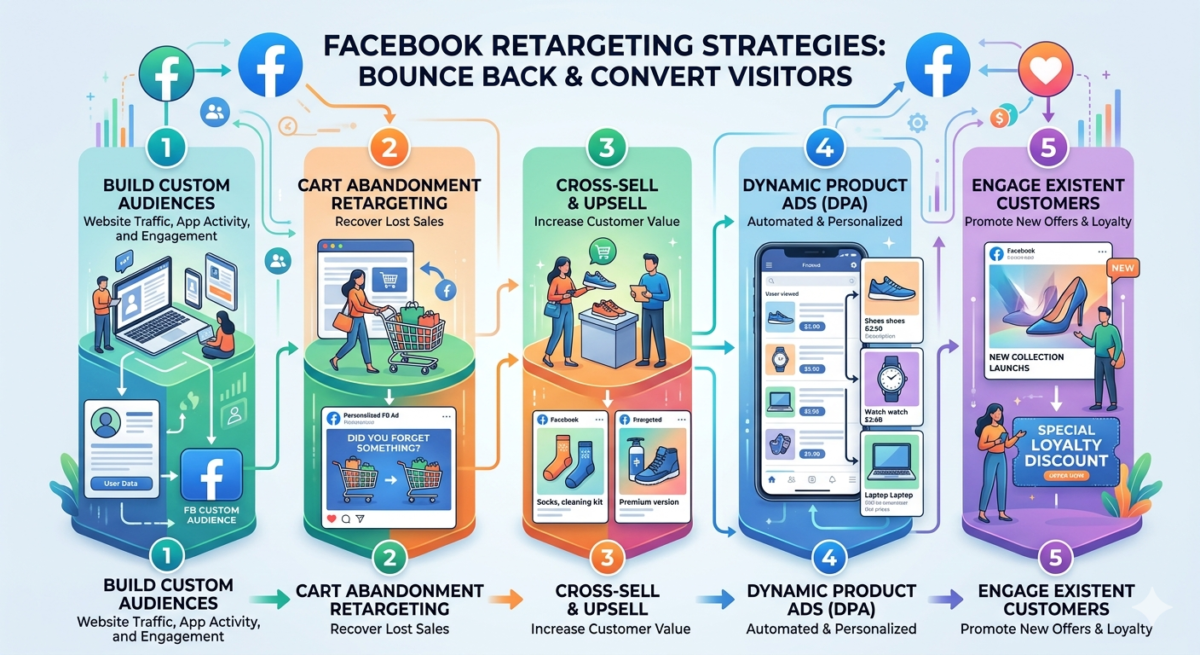
Website visitors are one of the most valuable audiences because they have already interacted with your business. You can create different groups based on their actions, such as people who visited specific pages, viewed products, or spent a certain amount of time on your website.
Another powerful audience includes people who engaged with your social media content. These users may have liked posts, commented, shared content, or watched videos. Their engagement shows interest, making them valuable targets for future campaigns.
Customer lists can also be used to reconnect with previous buyers. Businesses can promote new products, special offers, or related services to existing customers.
Dynamic Product Retargeting
Dynamic product retargeting is one of the most effective advertising techniques for online stores. It automatically shows users products based on their previous browsing behavior.
If a customer viewed a specific item but did not purchase it, dynamic ads can display that same product again. This creates a personalized shopping experience and reminds customers about items they already considered.
Personalization improves engagement because customers receive content that matches their interests. Instead of showing general advertisements, businesses provide relevant recommendations that feel more useful.
Cart Abandonment Retargeting
Many online businesses lose sales because customers add items to their cart but leave before completing checkout. Cart abandonment retargeting helps recover these missed opportunities.
These campaigns remind customers about their unfinished purchases and encourage them to return. Businesses can use different approaches, such as highlighting product benefits, offering limited-time discounts, or explaining why the product is valuable.
A well-designed reminder can turn an abandoned cart into a completed sale.
Video Engagement Retargeting
Video content plays a major role in modern marketing. People who watch brand videos often show stronger interest compared to users who only see an advertisement.
Video engagement retargeting allows businesses to target people who interacted with video content. For example, someone who watched most of a product video can receive a follow-up advertisement with more details or a special offer.
This strategy helps move users through the customer journey by providing information based on their previous interaction.
Creating High-Converting Retargeting Ads
A successful retargeting advertisement needs more than repeated exposure. The message must match the audience’s current stage.
A person who visited a product page may need a reminder, while someone who already added a product to their cart may need motivation to complete the purchase.
Effective ads usually focus on clear benefits, strong visuals, and simple messaging. The goal is to make the next step easy for the customer.
Businesses should test different ad formats, headlines, and creative ideas to understand what works best for their audience.
Facebook Retargeting Best Practices
A successful retargeting campaign requires continuous improvement and a clear understanding of customer behavior. Many businesses create ads once and expect results immediately, but effective campaigns need regular testing, analysis, and optimization.
One important practice is controlling ad frequency. Showing the same advertisement too many times can annoy users and create negative feelings toward the brand. A balanced approach keeps the business visible without overwhelming potential customers.
Another important factor is audience segmentation. Different users have different levels of interest. Someone who visited your homepage should not receive the same message as someone who added a product to their cart. Creating separate campaigns for different customer stages improves relevance and performance.
Businesses should also refresh their creative content regularly. New images, videos, offers, and messages keep audiences engaged and prevent advertising fatigue.
Common Facebook Retargeting Mistakes
Many companies struggle with retargeting because they focus only on showing ads again instead of understanding user intent.
One common mistake is targeting a very broad audience. When businesses combine all visitors into one group, the message becomes less personal. Customers receive advertisements that may not match their needs.
Another mistake is ignoring the customer journey. Users who are discovering a brand need different content compared to users who are ready to purchase. A successful campaign guides customers step by step.
Poor landing pages can also reduce results. Even if the advertisement performs well, users may leave if the website experience is slow, confusing, or difficult to navigate.
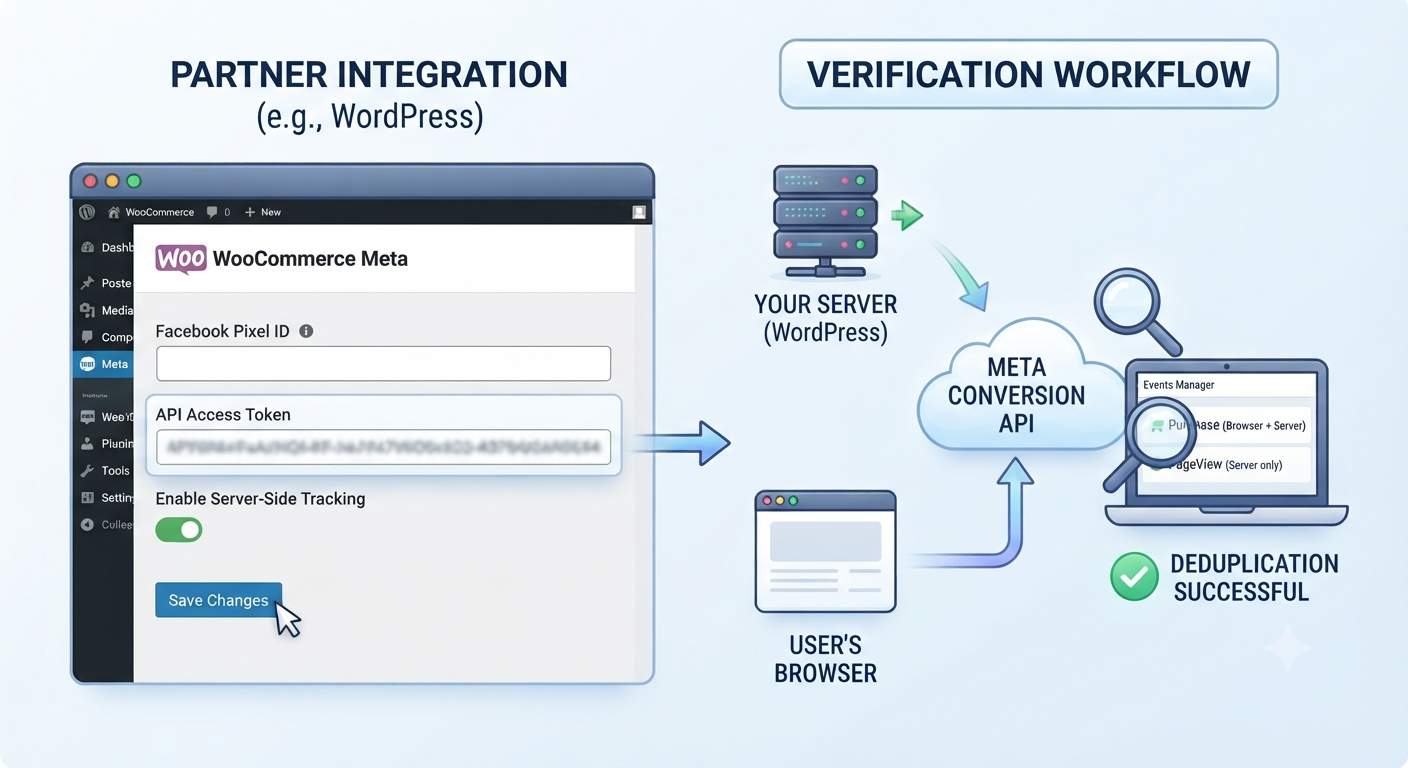
Tracking problems can create another challenge. Without proper measurement, businesses cannot understand which campaigns generate results and which need improvement.
Measuring Retargeting Campaign Success
Tracking performance helps businesses understand whether their advertising investment is working. Important metrics provide insights into customer behavior and campaign effectiveness.
Conversion rate shows how many users completed the desired action after clicking an advertisement. A higher conversion rate usually indicates that the campaign message and audience targeting are aligned.
Cost per acquisition helps measure how much money is spent to gain each customer. Businesses use this information to manage their advertising budget efficiently.
Return on ad spend shows the revenue generated compared to advertising costs. This metric helps determine whether a campaign is profitable.
Engagement metrics such as clicks, views, and interactions also provide valuable information about audience interest.
Advanced Retargeting Techniques for Better Results
Modern advertising requires more than basic audience targeting. Businesses can improve their results by combining different strategies and using customer data effectively.
Lookalike audiences allow marketers to find new users who share similar characteristics with existing customers. This helps expand campaigns while maintaining audience quality.
Customer journey-based campaigns are another effective approach. Instead of sending the same message to everyone, businesses create personalized experiences depending on where users are in the buying process.
For example, a new visitor may receive educational content, while a returning visitor may see a promotional offer.
This approach creates a smoother customer experience and increases the chance of conversion.
How Retargeting Supports Long-Term Marketing Growth
Retargeting is not only about increasing immediate sales. It also helps businesses build stronger relationships with their audience.
When customers repeatedly see valuable and relevant content, they become more familiar with the brand. Over time, this familiarity creates trust and improves brand loyalty.
A strong digital marketing strategy combines advertising, content creation, search optimization, and customer engagement. Retargeting becomes more powerful when it works together with other marketing channels.
Businesses that focus on long-term customer relationships often achieve better results than those only chasing quick sales.
The Future of Social Media Advertising
Social media advertising continues to evolve as customer expectations change. Users want personalized experiences, helpful information, and brands that understand their needs.
Future advertising strategies will focus more on data-driven personalization, creative storytelling, and customer-focused campaigns.
Companies that adapt to these changes will have a stronger advantage in the online marketplace.
Conclusion
Successful online growth depends on reaching the right audience with the right message. Retargeting helps businesses reconnect with interested users and turn missed opportunities into valuable customers.
By understanding audience behavior, creating personalized campaigns, and continuously improving advertisements, businesses can achieve stronger results from their marketing efforts.
A well-planned approach to audience targeting, customer engagement, and conversion optimization can transform advertising campaigns into consistent growth opportunities.
Grow Your Business with Bhatti Marketing
Creating effective advertising campaigns requires experience, strategy, and a deep understanding of customer behavior. At Bhatti Marketing, we help businesses build result-driven digital marketing campaigns designed to increase visibility, engagement, and conversions.
Our team focuses on creating customized strategies based on business goals, audience research, and performance analysis.
You can explore our digital marketing expertise and see how we help brands achieve measurable growth through our case studies from Bhatti Marketing.
Visit Bhatti Marketing today and discover smarter ways to grow your business online.
Frequently Asked Questions
What is Facebook retargeting?
Facebook retargeting is an advertising method that allows businesses to show ads to people who have previously interacted with their website, social media pages, videos, or products.
How does retargeting increase sales?
Retargeting increases sales by reconnecting with interested visitors and encouraging them to return, complete purchases, or take another desired action.
How long should a retargeting campaign run?
The ideal duration depends on the business, audience behavior, and sales cycle. Many campaigns require ongoing testing to find the most effective timeframe.
Are retargeting ads expensive?
Retargeting campaigns can be cost-effective because they focus on users who already know the brand. Proper audience targeting helps improve budget efficiency.
What is the difference between remarketing and retargeting?
Retargeting usually refers to paid advertising aimed at previous visitors, while remarketing often includes broader follow-up communication methods such as emails.
Can small businesses use retargeting?
Yes, small businesses can use retargeting to reach potential customers, improve brand awareness, and compete more effectively with larger companies.
What tools are needed for retargeting campaigns?
Businesses typically use advertising platforms, tracking tools, analytics systems, and customer data to create and optimize campaigns.