15 Profitable Business Ideas for Small Towns
Meta Advantage wtih Campaigns Explained Guide
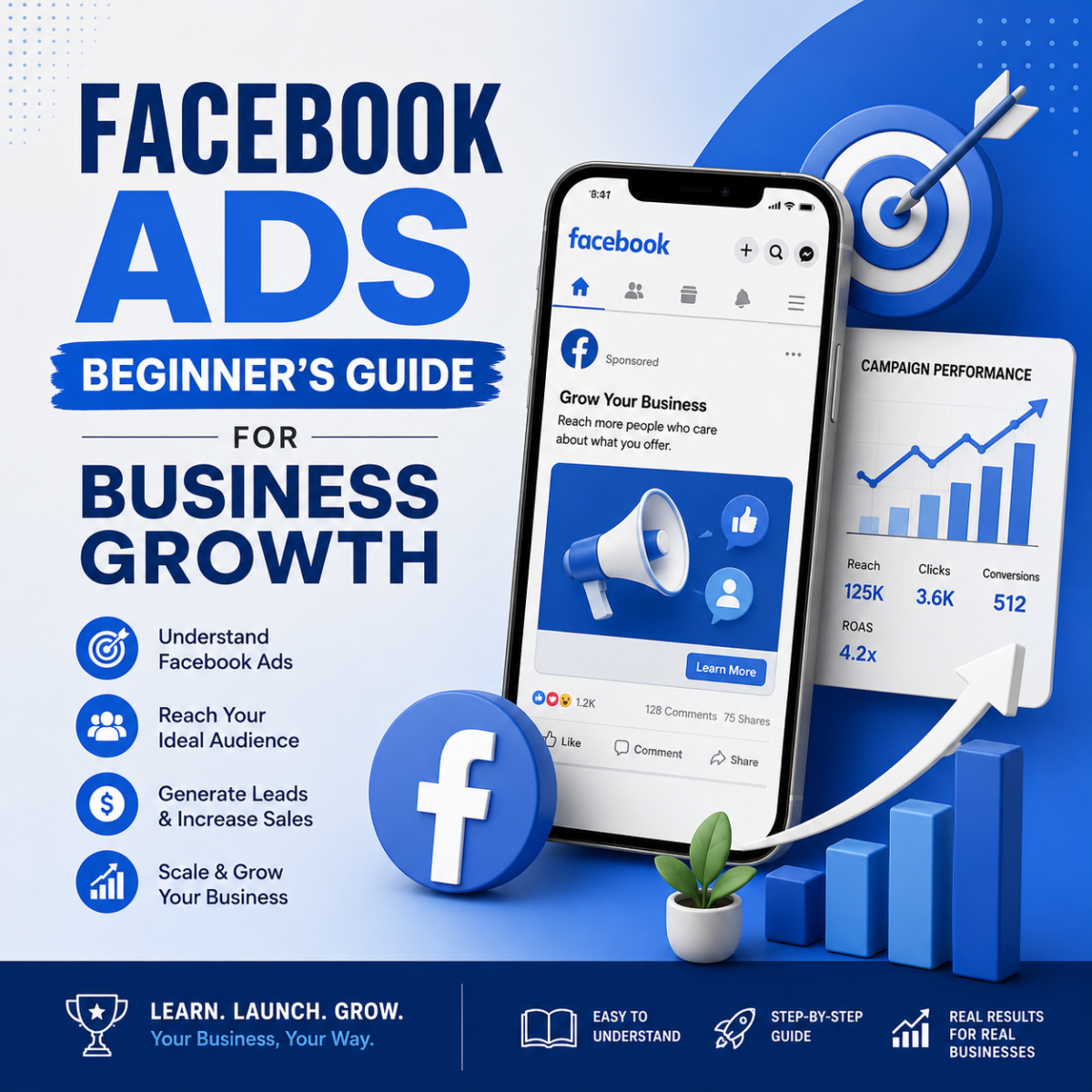
In today’s competitive digital marketplace, businesses can no longer rely solely on traditional marketing methods. Customers spend hours every day scrolling through social media platforms, making Facebook one of the most powerful channels for reaching potential buyers. This Facebook Ads Beginner’s Guide is designed to help business owners, marketers, and entrepreneurs understand how Facebook advertising works and how it can be used to drive measurable business growth.
Whether you run a security company, local service business, eCommerce store, or professional agency, Facebook Ads provide an opportunity to reach highly targeted audiences based on demographics, interests, behaviors, and online activities. Unlike traditional advertising, Facebook allows businesses to control budgets, measure performance, and optimize campaigns in real time.
For companies such as K4 Security and other service-based businesses, Facebook advertising can generate qualified leads, improve brand awareness, and increase customer inquiries without requiring massive marketing budgets.
Introduction to Facebook Advertising
Facebook advertising is a paid marketing platform operated by Meta that enables businesses to promote products and services across Facebook, Instagram, Messenger, and the Audience Network.
The biggest advantage of Facebook Ads is precision targeting. Instead of showing advertisements to everyone, businesses can display ads only to people most likely to become customers.
For example, a security company can target business owners, property managers, construction firms, retail stores, and homeowners within a specific geographic area.
Businesses use Facebook Ads because they offer:
Higher visibility
Better audience targeting
Scalable lead generation
Cost-effective marketing
Detailed performance tracking
Increased sales opportunities
When managed properly, Facebook Ads can become one of the most profitable marketing channels available.
Understanding the Facebook Ads Ecosystem
Before launching campaigns, it is important to understand the Facebook advertising ecosystem.
Meta’s advertising platform includes multiple networks that work together:
Facebook News Feed
Instagram Feed
Instagram Stories
Facebook Stories
Messenger
Audience Network
Reels
A single campaign can display across all these placements, helping businesses maximize reach while maintaining one centralized advertising system.
Meta Ads Manager serves as the control center where advertisers create campaigns, define audiences, set budgets, monitor performance, and optimize results.
Understanding these components helps advertisers make better decisions and improve campaign effectiveness.
Setting Up Your Facebook Business Account
The foundation of successful advertising begins with proper account setup.
Start by creating a professional Facebook Business Page. This page should include complete company information, contact details, branding elements, and service descriptions.
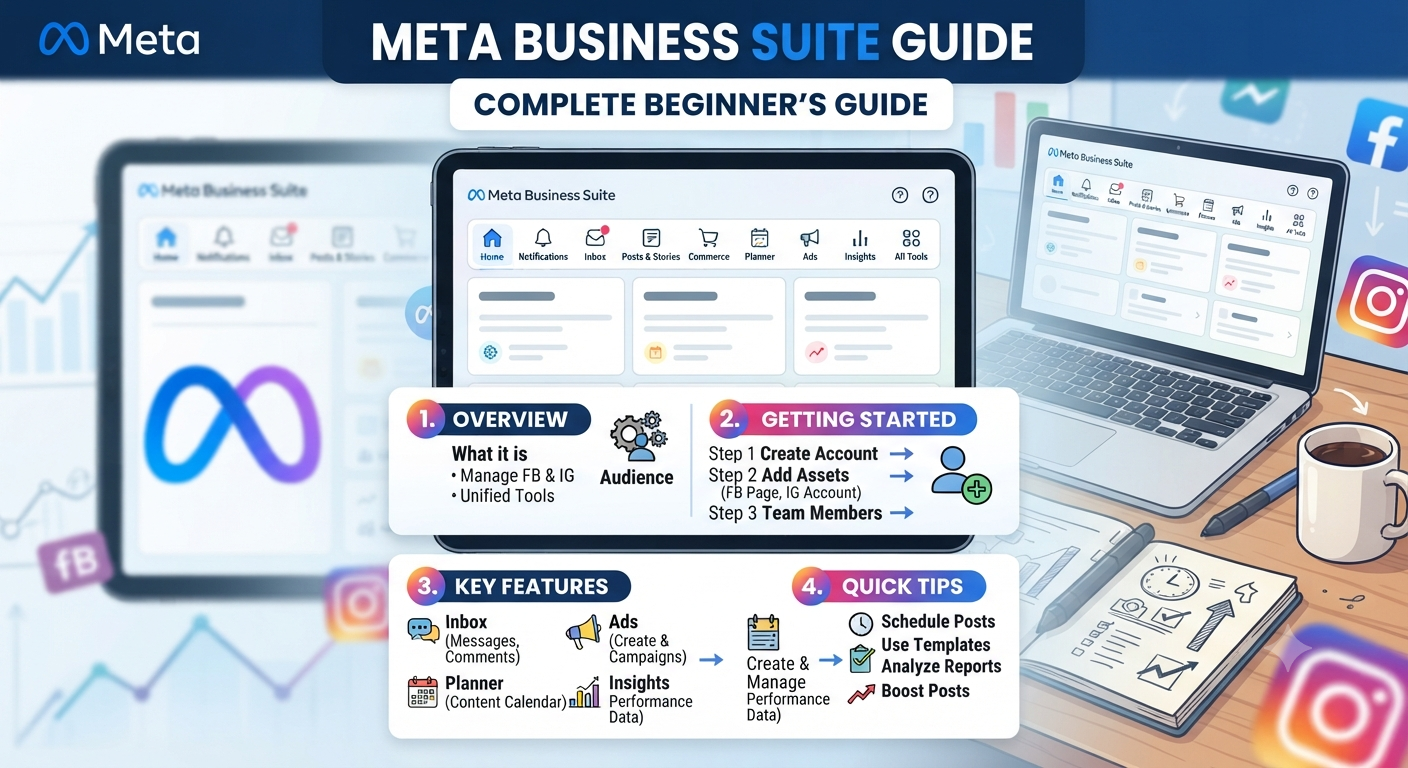
Next, create a Meta Business Manager account. This platform allows businesses to manage pages, advertising accounts, team members, and assets securely.
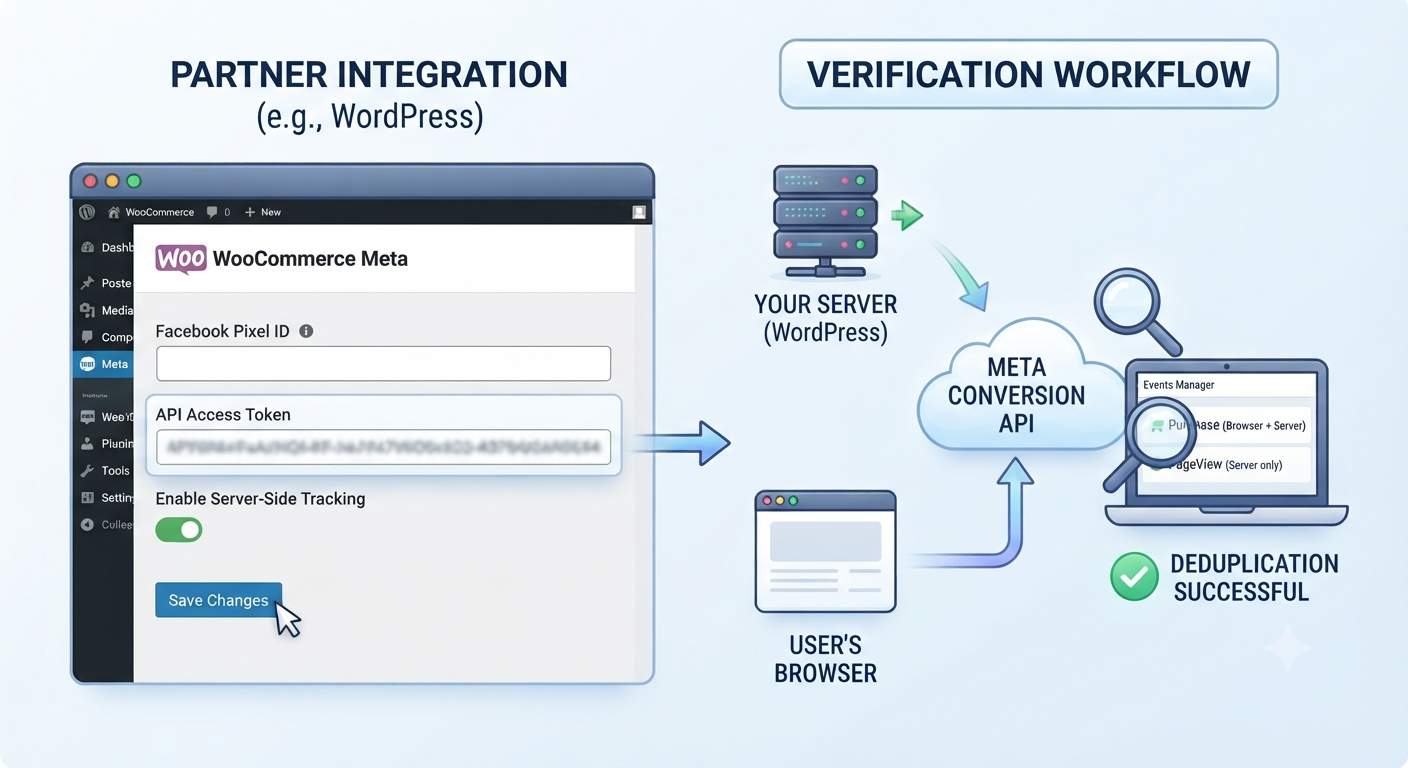
After setup, install the Meta Pixel on your website. The Pixel tracks visitor activity and provides valuable data about customer behavior.
For example, if someone visits your security services page but leaves without contacting you, the Pixel allows you to retarget that visitor later with relevant advertisements.
This tracking capability significantly improves conversion rates and advertising performance.
Defining Your Advertising Goals
Many beginners fail because they launch campaigns without clear objectives.
Facebook offers several campaign goals designed to support different business outcomes.
Brand Awareness
Brand awareness campaigns introduce your business to potential customers and improve recognition.
Traffic
Traffic campaigns drive users to websites, landing pages, or service pages.
Engagement
Engagement campaigns encourage likes, comments, shares, and interactions.
Leads
Lead generation campaigns collect customer information directly from Facebook forms.
Sales
Sales campaigns focus on generating purchases and conversions.
App Promotion
Businesses with mobile applications can use Facebook Ads to increase app downloads.
Choosing the right objective helps Facebook optimize campaign delivery and improve results.
Understanding Facebook Ad Audiences
Audience targeting is one of Facebook’s strongest advantages.
Instead of advertising broadly, businesses can target highly specific groups.
Core Audiences
Core audiences are built using demographics, locations, interests, and behaviors.
A security company may target:
Business owners
Warehouse managers
Property managers
Construction companies
Retail businesses
Custom Audiences
Custom audiences are created using existing customer data.
Businesses can upload customer lists or target website visitors who previously interacted with their brand.
Lookalike Audiences
Lookalike audiences help businesses reach new users who share characteristics with existing customers.
This feature often produces some of the highest-performing campaigns because Facebook uses machine learning to identify similar prospects.
Types of Facebook Ads
Facebook offers multiple advertising formats that support different marketing goals.
Image Ads
Image ads are simple, effective, and ideal for beginners.
A high-quality image combined with persuasive copy can generate excellent results.
Video Ads
Video advertisements often achieve higher engagement rates and help businesses explain services more effectively.
For example, K4 Security can showcase security personnel, patrol services, and client success stories through short videos.
Carousel Ads
Carousel ads allow multiple images or products within a single advertisement.
Businesses can highlight various services or features simultaneously.
Collection Ads
Collection ads are useful for showcasing products and improving shopping experiences.
Lead Generation Ads
Lead forms allow businesses to collect customer information without requiring users to visit a website.
This format works particularly well for service-based companies.
Messenger Ads
Messenger ads start direct conversations between businesses and potential customers.
Stories and Reels Ads
Stories and Reels provide highly engaging mobile-first advertising experiences that often generate strong performance.
Facebook Ads Budgeting for Beginners
Budget management is essential for maximizing advertising returns.
Facebook provides two primary budget options.
Daily Budget
Daily budgets control spending on a per-day basis.
This option works well for businesses wanting consistent campaign delivery.
Lifetime Budget
Lifetime budgets allocate spending across the entire campaign duration.
This option gives Facebook greater flexibility for optimization.
Recommended Beginner Budget
Most small businesses can start with modest budgets and scale gradually as performance improves.
Instead of focusing on spending more money, focus on improving targeting, creative quality, and landing page effectiveness.
A well-optimized campaign often outperforms larger campaigns with poor strategy.
Facebook Advertising Metrics
Tracking the right metrics helps businesses make data-driven decisions.
| Metric | Purpose | Importance |
|---|---|---|
| Reach | Number of people who saw the ad | Brand Awareness |
| Impressions | Total ad views | Visibility Measurement |
| CTR | Click Through Rate | Engagement Quality |
| CPC | Cost Per Click | Traffic Efficiency |
| CPL | Cost Per Lead | Lead Generation Performance |
| Conversion Rate | Visitor-to-Customer Ratio | Sales Effectiveness |
| ROAS | Return on Ad Spend | Profitability |
Successful advertisers focus on business outcomes rather than vanity metrics.
A campaign generating fewer clicks but more sales is usually more valuable than a campaign generating thousands of low-quality clicks.
Writing High-Converting Ad Copy
Creating Facebook Ads is easy. Creating Facebook Ads that generate leads and sales is where most businesses struggle.
Your ad copy must immediately capture attention, communicate value, and encourage action. Most users scroll quickly through their feeds, so you only have a few seconds to make an impression.
A strong headline should clearly explain the benefit your customer will receive. Instead of saying “Professional Security Services,” a better headline might be “Protect Your Business with 24/7 Security Coverage.”
The primary text should focus on solving a problem rather than promoting features. Customers care more about outcomes than technical details.
For example, a security company should emphasize peace of mind, crime prevention, and rapid response instead of simply listing guard services.
The best Facebook ad copy follows a simple structure:
Problem
Solution
Benefit
Call-to-Action
When writing ads, always speak directly to the customer. Use simple language, avoid jargon, and focus on real-world results.
Designing Effective Ad Creatives
Even the best ad copy can fail if the visual creative is weak.
Facebook is a visual platform. Users notice images and videos before reading text.
Effective creatives should be:
Relevant to the offer
Easy to understand
Mobile-friendly
Professional-looking
Consistent with branding
For service businesses, real photos often outperform stock images because they build trust and authenticity.
Security companies should use actual photos of security officers, patrol vehicles, CCTV monitoring stations, and facility management teams whenever possible.
Video content continues to outperform static images in many industries because it captures attention and communicates information quickly.
Short videos between 15 and 30 seconds often produce strong engagement and lead generation results.
Creating Your First Facebook Ad Campaign
Launching your first campaign can feel overwhelming, but the process becomes simple when broken into steps.
Begin by selecting the campaign objective that matches your business goal.
Next, define your target audience carefully. Avoid targeting everyone. The more specific your audience, the more relevant your advertising becomes.
Set a realistic budget and choose placements. Beginners often benefit from using Advantage+ Placements, which allows Facebook’s algorithm to optimize delivery.
Upload your creative, write persuasive copy, add a clear call-to-action, and review all campaign settings before publishing.
After launch, monitor performance regularly but avoid making constant changes during the learning phase.
Facebook’s algorithm needs time to gather data and optimize delivery.
Understanding Facebook Ad Metrics
Successful advertisers make decisions based on data rather than assumptions.
Several metrics help determine campaign performance.
Reach shows how many unique people saw your advertisement.
Impressions represent the total number of times your ad appeared.
Click-Through Rate indicates how effectively your creative encourages users to take action.
Cost Per Click measures the amount paid for each visitor.
Cost Per Lead shows how much it costs to generate a potential customer.
Return on Ad Spend measures profitability and is one of the most important metrics for businesses focused on revenue growth.
Regular performance analysis helps identify opportunities for optimization and scaling.
A/B Testing for Better Results
Many businesses waste advertising budgets because they rely on guesswork.
A/B testing eliminates uncertainty by comparing different campaign elements.
You can test:
Headlines
Images
Videos
Audiences
Call-to-actions
Landing pages
For example, one advertisement may feature a security guard image while another highlights CCTV monitoring.
By comparing results, you can identify which creative resonates most with your audience.
Only test one variable at a time. Testing multiple elements simultaneously makes it difficult to identify the true cause of performance changes.
Consistent testing helps businesses improve advertising efficiency and maximize returns.
Common Facebook Ads Mistakes to Avoid
Many beginners encounter similar challenges when launching campaigns.
One common mistake is targeting audiences that are too broad.
Another mistake is choosing the wrong campaign objective. A lead generation goal should not use an engagement objective if the primary objective is acquiring customers.
Weak creatives also reduce campaign effectiveness.
Businesses frequently focus on product features instead of customer benefits, resulting in lower engagement and conversion rates.
Many advertisers stop campaigns too quickly. Facebook campaigns require sufficient data before meaningful conclusions can be drawn.
Ignoring analytics is another costly error. Campaign performance data provides valuable insights that help improve future results.
Avoiding these mistakes can save significant time and advertising budget.
Advanced Facebook Advertising Strategies
Once basic campaigns become profitable, businesses can implement advanced strategies.
Retargeting remains one of the most effective approaches.
Most website visitors do not convert during their first visit. Retargeting allows businesses to reconnect with those prospects and encourage them to return.
Lookalike audiences help businesses scale by reaching new users similar to existing customers.
Dynamic ads automatically display relevant products or services to users based on previous interactions.
Businesses can also create full-funnel campaigns that guide prospects through different stages of the customer journey.
The funnel typically includes:
Awareness
Consideration
Conversion
Retention
This strategy improves customer acquisition and long-term profitability.
Facebook Ads Best Practices in 2026
The digital advertising landscape continues evolving rapidly.
Businesses that adapt to new trends gain competitive advantages.
Mobile-first design is now essential because most Facebook users access the platform through smartphones.
Short-form video content continues driving engagement across Facebook, Instagram, Stories, and Reels.
Advertisers should focus on creating authentic content rather than highly polished advertisements that appear overly promotional.
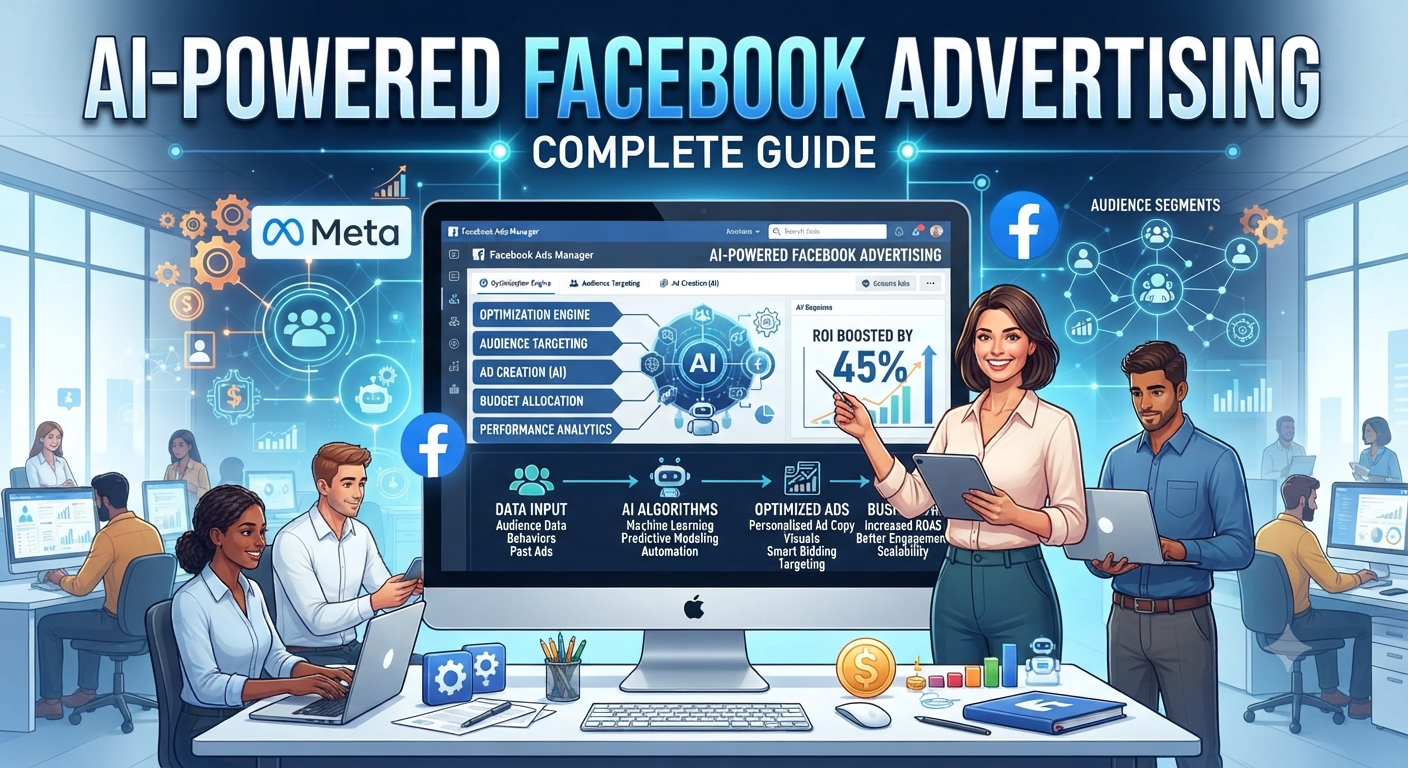
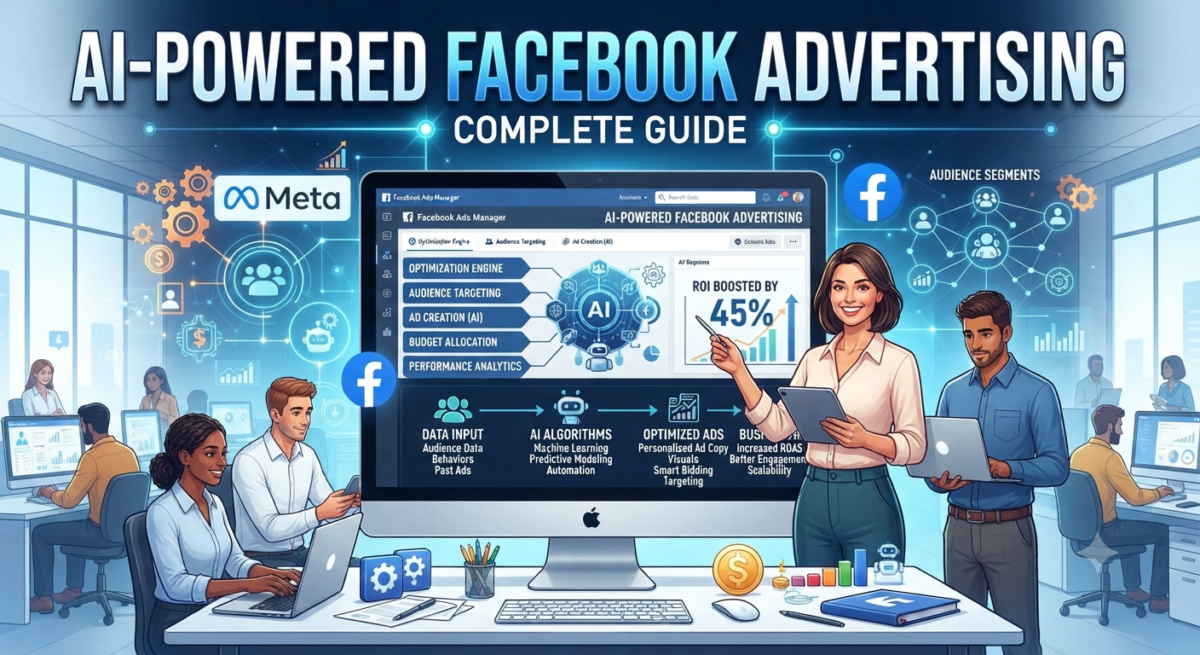
Artificial intelligence is also becoming increasingly important. Meta’s automation tools help optimize targeting, placements, and bidding strategies.
Businesses should embrace these tools while maintaining strategic oversight.
Privacy regulations and tracking updates have changed how advertisers collect and use customer data.
Building first-party data through lead forms, email marketing, and customer databases has become more important than ever.
Real-World Insights for Service-Based Businesses
Security businesses can target local commercial clients, residential communities, construction projects, educational institutions, healthcare facilities, and retail operations.
Lead generation campaigns often perform particularly well because prospects can submit inquiries directly through Facebook forms.
Combining Facebook Ads with strong landing pages and fast response times can significantly improve conversion rates.
Businesses that consistently follow up with leads generally achieve higher returns from their advertising investments.
Frequently Asked Questions
How much should beginners spend on Facebook Ads?
Most beginners should start with a manageable budget, monitor results closely, and increase spending only after identifying profitable campaigns.
Are Facebook Ads effective for small businesses?
Yes. Facebook Ads provide affordable access to highly targeted audiences, making them valuable for businesses of all sizes.
How long does it take to see results?
Some campaigns generate results within days, while others require several weeks of optimization and testing.
What is a good Click-Through Rate?
A good CTR varies by industry, audience, and campaign objective. Continuous testing is the best way to improve performance.
Can I run Facebook Ads without a website?
Yes. Lead generation campaigns allow businesses to collect inquiries directly through Facebook forms.
Which ad format works best for beginners?
Image ads and lead generation ads are often the easiest formats for beginners to launch and manage successfully.
Conclusion
Facebook advertising remains one of the most powerful digital marketing tools available for businesses seeking growth. With proper audience targeting, compelling creatives, strategic budgeting, and ongoing optimization, businesses can generate leads, increase sales, and build long-term brand awareness.
Success does not come from spending the most money. It comes from understanding your audience, testing consistently, analyzing performance, and improving campaigns over time. Businesses that approach Facebook advertising strategically can create a predictable system for attracting customers and scaling revenue.
Ready to Grow Your Business?
If you want professional Facebook Ads management, lead generation campaigns, conversion-focused landing pages, and data-driven marketing strategies, Bhatti Marketing can help.
Our team develops customized advertising campaigns designed to generate qualified leads, increase sales opportunities, and maximize return on investment. Whether you operate a security company, local business, eCommerce store, or service-based organization, we create marketing strategies that produce measurable results.
Explore Our Case Studies
Discover how Bhatti Marketing has helped businesses improve lead generation, reduce advertising costs, increase conversions, and achieve sustainable growth through strategic digital marketing campaigns. Contact our team today to learn how a tailored Facebook advertising strategy can help your business reach its next stage of growth.