Startup-Friendly Business Ideas for Beginners
Small Business Plan Ideas That Actually Work
Summary
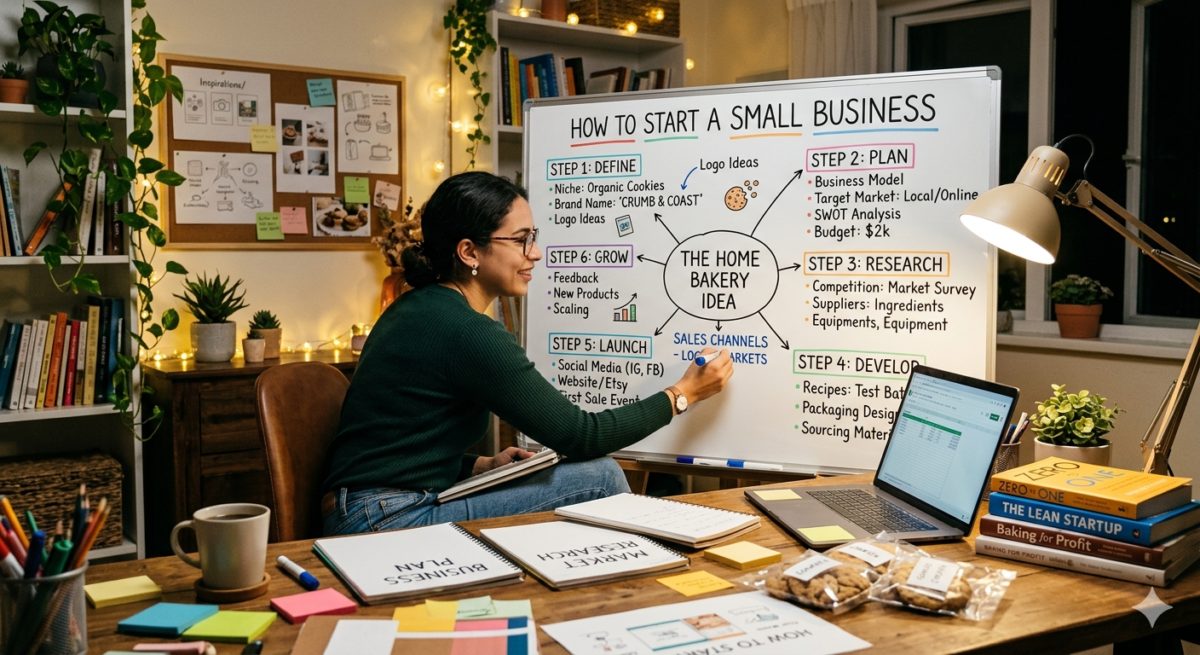
Starting a small business requires the right idea, proper validation, and consistent execution. Focus on solving real problems, keep costs low, and build a strong foundation. With clear planning and smart strategies, anyone can turn a simple idea into a successful business.
Introduction
Starting a business is no longer just a dream reserved for a few. In today’s digital and fast-moving economy, anyone with the right mindset and strategy can build something meaningful. If you are wondering how to start a small business idea, you are already on the right path.
Small businesses drive innovation, create jobs, and give you control over your financial future. But success doesn’t come from luck. It comes from clarity, planning, and consistent action. This guide breaks everything down into practical, real-world steps so you can move from idea to execution with confidence.
Understanding Business Ideas
What is a Business Idea
A business idea is simply a solution to a problem. It can be a product, a service, or even a new way of delivering something that already exists. The strongest ideas are not complicated. They are clear, useful, and needed.
Characteristics of a Good Business Idea
A strong idea solves a real problem. It has demand in the market. It is easy to explain, and it can generate profit. Most importantly, it aligns with your skills or interests so you can sustain it long term.
Many beginners fail because they chase trends instead of solving problems. Focus on value, not hype.
Finding the Right Business Idea
Identify Your Skills and Interests
Start by looking inward. What are you good at? What do people already ask your help for? Your existing skills can be turned into income faster than learning something completely new.
If you enjoy what you do, you are more likely to stay consistent, which is critical in business.
Research Market Demand
An idea without demand is just a hobby. Use simple methods like searching on Google, exploring marketplaces, and observing social media trends to understand what people actually need.
Look for gaps. For example, if people complain about a service, that’s an opportunity.
Solve a Real Problem
Every successful business solves a problem. The bigger the problem, the bigger the opportunity. Focus on making life easier, faster, or better for your target audience.
Validating Your Idea
Conduct Market Research
Before investing time or money, validate your idea. Talk to potential customers. Ask questions. Understand their pain points.
Analyze Competitors
Competition is not a bad thing. It proves demand exists. Study what others are doing and identify how you can do it better, cheaper, or differently.
Test with a Small Audience
Start small. Offer your product or service to a limited group. Gather feedback and improve. This reduces risk and helps you refine your idea before scaling.
Planning Your Business
Create a Business Plan
A business plan is your roadmap. It does not need to be complicated. Keep it simple and clear. Define what you are selling, who you are selling to, and how you will make money.
Set Goals and Objectives
Set realistic and measurable goals. For example, your first goal might be to get your first 10 customers within 30 days.
Budgeting and Financial Planning
Understand your costs. Track your expenses. Plan how much you need to start and how long you can sustain before becoming profitable.
Legal Requirements
Choose a Business Structure
Decide whether you want to operate as a sole proprietor, a partnership, or a company. Each has different legal and tax implications.
Register Your Business
Make your business official by registering it with the relevant authorities in your country. This builds trust and protects your brand.
Licenses and Permits
Depending on your industry, you may need specific licenses. Always stay compliant to avoid future issues.
Funding Your Business
Self-Funding
Many small businesses start with personal savings. This gives you full control but requires careful planning.
Loans and Investors
If needed, explore loans or investors. But be cautious. Only borrow what you can realistically repay.
Manage Startup Costs
Keep your costs low in the beginning. Focus on essentials. Avoid unnecessary expenses until your business generates steady income.
Building Your Brand
Choose a Business Name
Pick a name that is simple, memorable, and relevant to your business.
Create a Visual Identity
Your logo, colors, and design create your brand identity. Keep it professional and consistent.
Establish an Online Presence
In today’s world, having an online presence is not optional. Create a website or social media profiles where customers can find you easily.
Launching Your Business
Prepare for Launch
Before launching, make sure everything is ready. Test your product, finalize pricing, and ensure customer support is in place.
Marketing Strategies
Start with simple marketing methods. Use social media, word of mouth, and local promotions. Focus on building trust rather than just selling.
Attract Your First Customers
Your first customers are the most important. Offer value, provide excellent service, and encourage feedback.
Managing and Growing the Business
Track Performance
Monitor your sales, expenses, and customer feedback. This helps you understand what is working and what needs improvement.
Improve Your Offering
Always look for ways to improve your product or service. Small improvements can lead to big results over time.
Scale Your Business
Once you have a stable foundation, start scaling. This could mean expanding your product line, targeting new markets, or increasing production.
Common Challenges and Tips
Every business faces challenges. You may struggle with slow sales, competition, or self-doubt. The key is to stay consistent.
Focus on learning. Adapt quickly. Do not expect overnight success. Real growth takes time.
FAQs
What is the first step in starting a small business
The first step is identifying a clear and profitable idea based on your skills and market demand.
How much money do I need to start
It depends on your business type. Many small businesses can start with minimal investment if planned properly.
Do I need a business plan
Yes, a simple business plan helps you stay focused and organized.
How long does it take to succeed
Success varies, but most businesses take time to grow. Consistency is key.
Can I start a business with no experience
Yes, but you must be willing to learn and adapt quickly.